Key fob glitches that don't always mean a trip to the dealer
When your key fob stops working
It happens without warning: you press the button on your key fob and nothing happens. The car doesn't unlock, the trunk won't pop, and the engine won't start. Your first thought might be that the fob is broken and you need to visit the dealership for a costly replacement. But many common key fob problems are simpler than they seem and can be resolved without a dealer visit. Understanding what can go wrong and what you can check yourself can save time and frustration.
Dead battery is the most common culprit
The key fob runs on a small coin-cell battery. These batteries typically last between two and four years, depending on usage. When the battery gets low, the fob's signal weakens. You might notice that you have to stand closer to the car, or press the button multiple times before it works. Eventually, the fob stops communicating with the car entirely.
Replacing the battery is straightforward on most fobs. A small notch or slot lets you pry the halves apart. Inside, you'll see a round battery, usually a CR2032 or similar. Note the orientation before you remove it. Pop the new one in, snap the case closed, and test the fob. No special tools or programming are needed for a battery swap. If the fob works after a new battery, you've solved the issue yourself.
Some cars also have a backup system for when the fob battery is dead. A physical key blade is often hidden inside the fob. You can slide it out to unlock the driver's door manually. Once inside, many cars have a designated spot near the steering column or inside the center console where you can hold the dead fob. The car's immobilizer system can still read the fob's transponder chip there, allowing you to start the engine even with a dead fob battery.
Signal interference from everyday objects
Key fobs use radio frequency signals to communicate with your car. Radio waves can be blocked or disrupted by common objects. Metal objects like a laptop, a tablet, or even a large metal water bottle in your pocket or bag can weaken the signal. Similarly, being near high-voltage power lines, radio towers, or certain electronic displays can cause temporary interference.
If your fob stops working in a specific location but works fine elsewhere, interference is likely the issue. Move a few steps away from the suspected source and try again. Also, check if your phone is sitting right next to the fob in the same pocket. While not always a problem, some phones can emit signals that interfere with the fob's frequency. Try holding the fob closer to the car's door handle or the start button. If the fob works when it's very close, interference is the probable explanation.
Physical damage to the fob itself
Key fobs get dropped, stepped on, and occasionally go through the washing machine. Physical damage can break internal solder joints, crack the circuit board, or dislodge the battery contacts. Signs of physical damage include a fob that feels loose or rattles when shaken, or one where certain buttons work but others don't.
If you suspect physical damage, open the fob and inspect the circuit board. Look for any visible cracks, corrosion, or loose components. Sometimes a broken battery contact can be gently bent back into shape with a small tool. But if the circuit board is cracked or a component is missing, the fob likely needs replacement. However, you don't have to buy a new fob from the dealer. Many automotive locksmiths can supply and program a compatible replacement fob at a lower cost. They can also often repair minor damage like a broken solder joint, though that's less common.
The car's receiver might be the problem
The car itself has a receiver module that listens for the fob's signal. This receiver can fail or become less sensitive over time. If your fob works perfectly when you're standing right next to the car but fails from a normal distance, the receiver might be the issue. Similarly, if multiple fobs stop working at the same time, the car's receiver is a more likely culprit than all the fobs failing simultaneously.
Receiver problems are less common but do happen. They can be caused by a blown fuse, a loose connection, or a failed module. Checking the fuse for the remote keyless entry system is a simple step you can take. Your owner's manual will show you the location of the fuse box and which fuse controls the system. If the fuse is blown, replacing it might restore function. If the fuse is fine, the receiver or its wiring might need professional diagnosis. A mobile locksmith or an independent shop can often test the receiver without charging dealer rates.

When the fob needs reprogramming
Sometimes the fob and the car lose their electronic pairing. This can happen after a battery change in some vehicles, or after the fob is exposed to a strong magnetic field. It can also occur if the car's battery was disconnected and reconnected. When the fob is unpaired, pressing its buttons does nothing, and the car may not recognize the fob's transponder chip for starting.
Reprogramming a key fob varies by make and model. Some cars allow you to do it yourself with a simple sequence: insert the key, turn to the on position, press a button on the fob, and repeat. Other cars require specialized diagnostic equipment to communicate with the immobilizer system. This is where the focus keyword car key programming comes into play. For vehicles that need a computer to sync the fob, a professional car key programming service is needed. But that professional doesn't have to be a dealership. Many automotive locksmiths carry the necessary tools to program fobs for a wide range of cars.
If you own a newer vehicle, the programming process is often more complex and security-encrypted. In those cases, attempting a DIY procedure found online can sometimes lock the system or require a tow to a shop. It's better to first check if the issue is something simple like a dead battery or interference. If you've ruled those out and the fob still doesn't work, reaching out for mobile help for lost car keys or a non-starting car is a practical next step. A locksmith can come to your location, diagnose the problem, and handle any necessary car key programming on the spot.
When the key blade or ignition cylinder is worn
Another problem that mimics a fob failure is a worn key blade or a worn ignition cylinder. If you can insert the key but it won't turn, or if it turns but the car doesn't start, the issue might be mechanical rather than electronic. Over time, the metal key blade can wear down, and the pins inside the ignition cylinder can also wear. This can cause the car not to recognize the key's mechanical cut, even though the transponder chip is fine.
A worn key blade can sometimes be fixed by having a new key cut from the vehicle identification number (VIN) by a locksmith. If the ignition cylinder itself is worn, it may need repair or replacement. This is a job for a professional, but again, not necessarily the dealer. A locksmith can often rekey or replace the ignition cylinder on site, saving you the time and expense of a tow and a dealership appointment.
What to do when you're stuck with a non-starting car
If you're in a parking lot and your car won't start, and you've already tried the spare fob (if you have one), the next step is to look for obvious signs. Does the dashboard light up when you press the start button? If not, your car battery might be dead, not the fob. If the dashboard lights come on but the engine doesn't crank, the fob might not be communicating with the immobilizer.
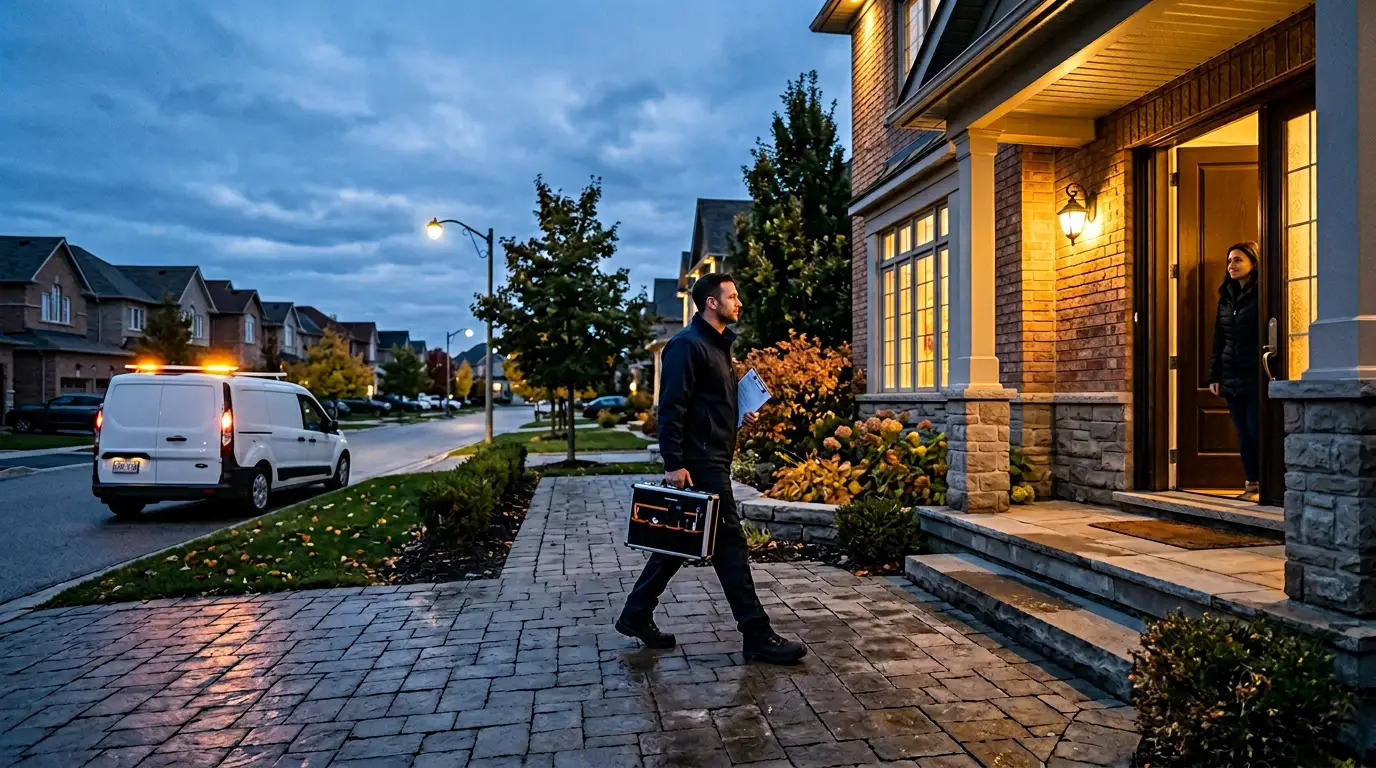
Try holding the fob directly against the start button or near the steering column. Many cars have a backup reader that works when the fob is in a specific spot. If that doesn't work, call for mobile help for lost car keys or a locksmith who can bring programming equipment to your location. A professional can quickly determine if the fob needs reprogramming, replacement, or if the car has a different issue entirely. Avoiding a dealership trip for simple problems is possible when you know what to check first, and when you know who to call for the more complex fixes.